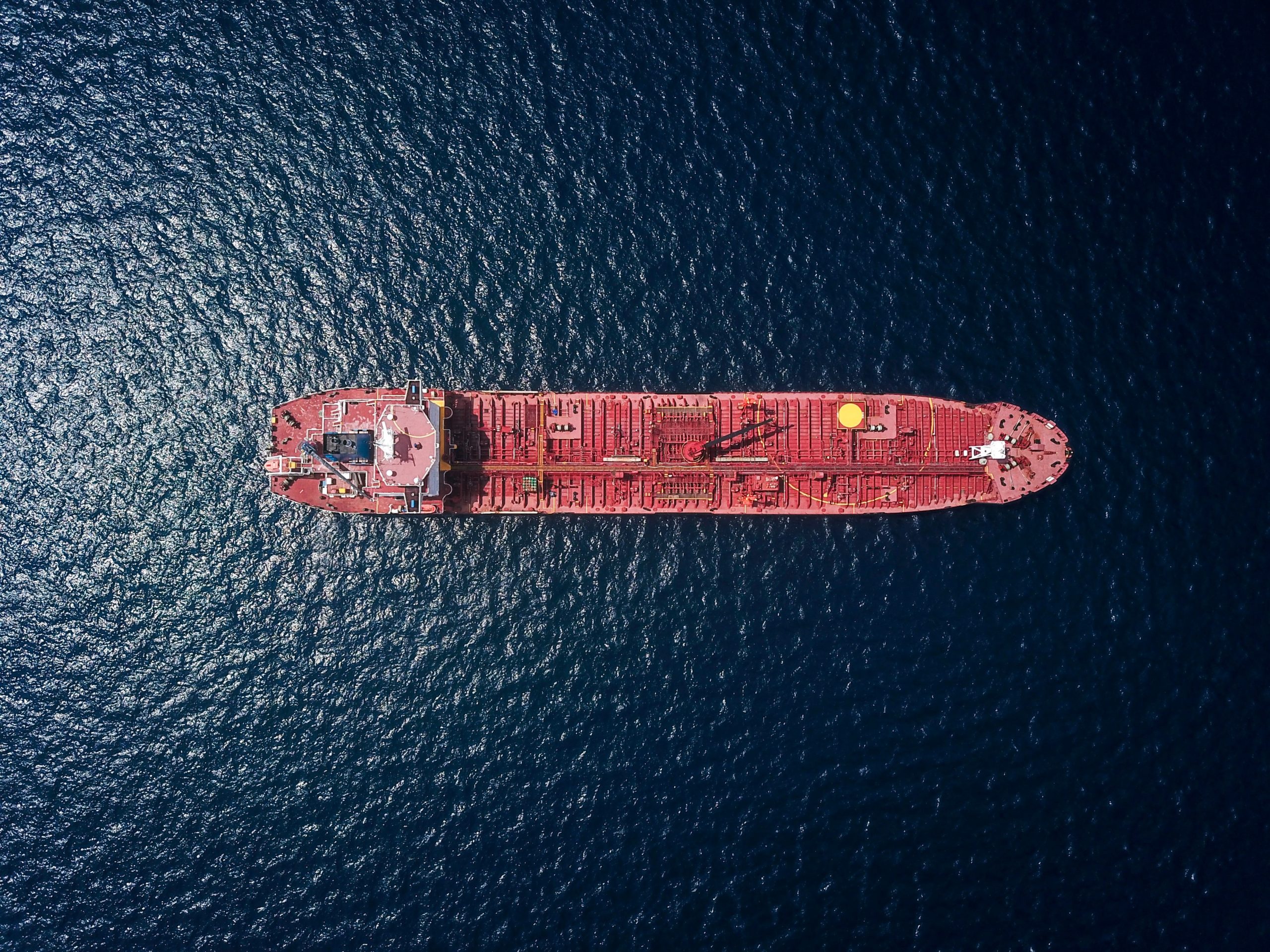
Commercial ships play a decisive role in the maritime environment, interacting with numerous entities: Crew, Shipbuilders, Makers, Port Authorities, Inspectors, Cargo Owners, Charterers, and Telecommunication Providers. Any degradation, interruption, or malfunction of ship information systems can have serious consequences on the smooth operation of the ship and its ecosystem, making security management one of the most critical issues.
The rapid evolution of technology and the adoption of new IT & OT connected systems are transforming the global maritime landscape, offering opportunities for safer and greener navigation. The benefits of adopting OT systems are significant:
Modern commercial ships have transformed into “floating digital offices,” hosting and interacting with complex, heterogeneous information systems and relying on multiple providers (e.g., navigation equipment providers, cloud providers, telecom providers, etc.). As a result, they are exposed to numerous cyberattacks and vulnerabilities, making cybersecurity a critical aspect of business continuity for maritime organizations. This new reality introduces heightened cyber risks to both OT and IT systems on board:
The need to strengthen cybersecurity in OT systems is urgent. This environment demands more detailed mapping of IT & OT systems and their interdependencies, along with more thorough threat and risk analysis and management—especially in cases stemming from the adoption and integration of OT systems. The adoption of modern security protocols, the Purdue Model for network isolation, continuous network monitoring, and supply chain risk management are all key pillars for safeguarding OT systems against today’s threats.
To improve security and reduce the impact of potential incidents, several guidelines and best practices should be followed, such as:
- IMO: MSC-FAL.1-Circ.3 “Guidelines on Maritime Cyber Risk Management”
- OCIMF: “Tanker Management Self-Assessment v3”
- BIMCO: “Guidelines on Cyber Security Onboard Ships v4”
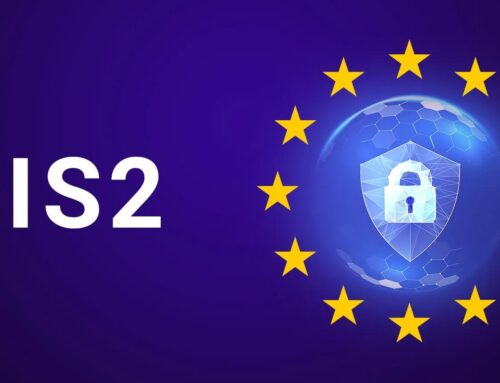
The recent European NIS 2 Directive (and Greek Law 5160/2024) also contributes to this direction. It aims to enhance the security of essential and important entities (including shipping companies), setting out a range of requirements involving the implementation of technical and organizational measures for the prevention, detection, response, and recovery from security incidents.
Compliance with cybersecurity regulations is one of the greatest challenges for businesses, as the regulatory landscape is constantly evolving and becoming increasingly demanding. Organizations must interpret and implement complex regulatory requirements, manage the rising cost of compliance, and operate in a multi-regulatory environment.
STORM GRC can serve as a holistic compliance tool for the security demands of the “new reality” in the maritime sector, enabling shipping company security teams to: